
Loading...
Serving McAllen, TX and surrounding areas. (956) 899-5482
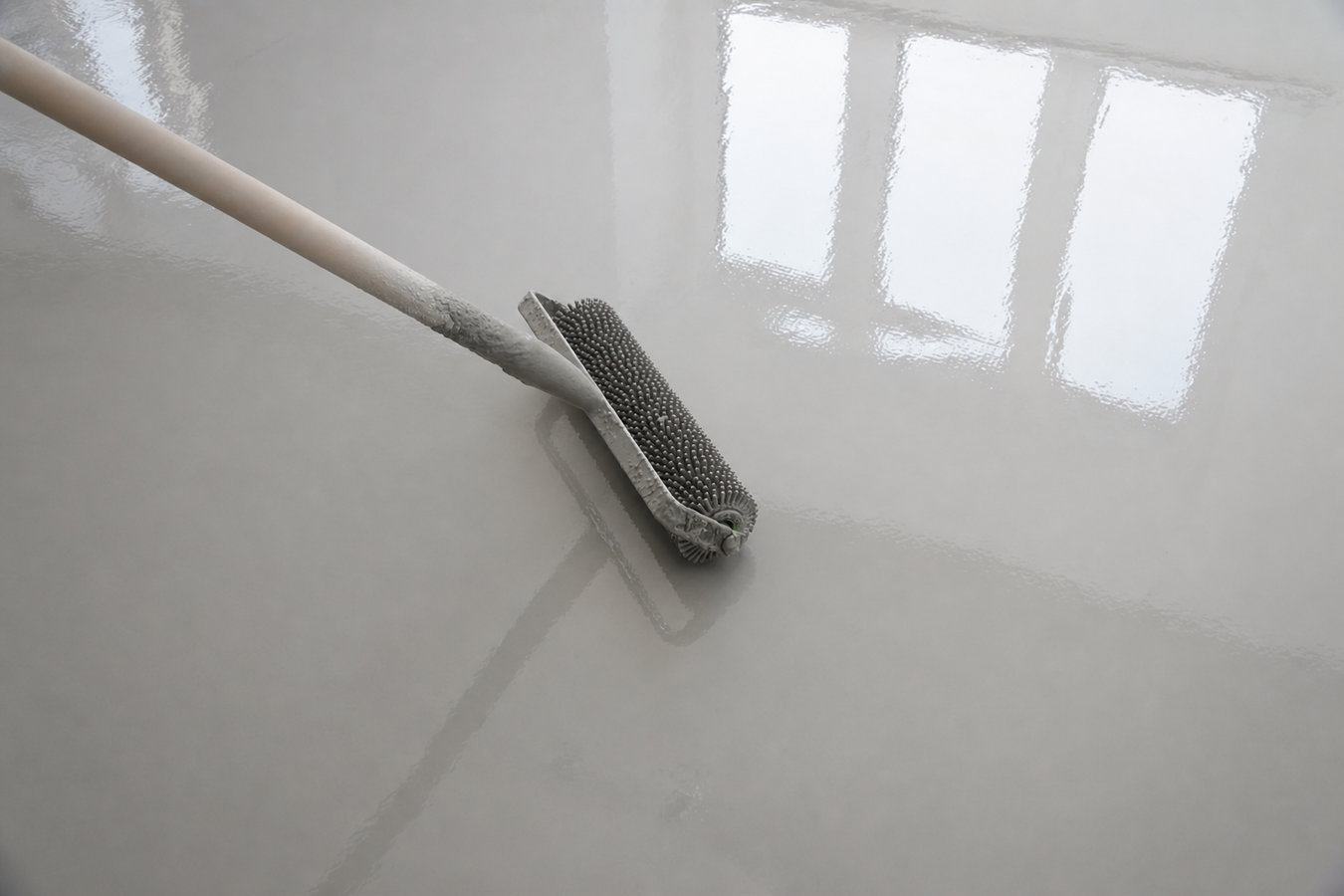
McAllen driveways, patios, and garage floors take a beating from triple-digit heat and sudden storms. The right sealer, applied at the right time, keeps that damage from adding up.
Concrete sealing in McAllen puts a protective layer over your slab that keeps water, oil, and UV rays from breaking it down - most driveways and patios can be cleaned and sealed in a single day, and the surface is ready for use within 24 to 72 hours.
Unsealed concrete looks solid, but it is surprisingly porous. In McAllen, where outdoor surfaces face intense sun, sudden heavy rains, and hard water from irrigation systems, that porosity accelerates cracking, staining, and surface breakdown faster than it would in a cooler part of the country. Sealing is one of the least expensive ways to extend the life of any concrete surface by years.
If your surface has been neglected for a few seasons, it may need concrete grinding and surface preparation before a new sealer can go down - we will tell you honestly whether that is the case during the free estimate visit.
Pour a small cup of water on your driveway or patio. If it spreads out and soaks in within a few seconds, the protective layer is gone. This is the clearest sign that your concrete is absorbing whatever lands on it and it is time to reseal.
In McAllen's intense sun, concrete that has lost its sealer starts to look washed out and chalky over time. If your driveway or patio is noticeably lighter or more faded than it was a few years ago, that is UV damage that a fresh coat of sealer can slow down.
The clay soils under many McAllen homes shift when the ground gets wet during a storm, and that movement can open hairline cracks in concrete. New cracks appearing after the rainy season mean water is getting in - sealing now protects against further damage before the cracks widen.
Hard water from McAllen irrigation systems leaves stubborn rust-colored deposits on unprotected concrete near sprinkler heads. Oil drips and rust from metal furniture are equally common. If scrubbing has not cleared them, the surface needs professional cleaning and sealing before the staining gets worse.
Every sealing job starts with thorough surface prep - pressure washing, degreasing oil stains, and letting the surface dry completely before a single drop of sealer is applied. That prep step is the most important part of the job. Sealer applied over a dirty or damp surface traps the grime underneath and peels within months, especially in McAllen's heat. We also fill small cracks before sealing to keep water from working its way in and widening them.
Once the surface is clean and dry, we apply the sealer by roller, sprayer, or squeegee depending on the product and surface type. We offer both penetrating sealers - which soak in and protect without changing how the surface looks - and topical sealers that add a sheen or decorative finish. If you are not sure which is right for your surface, that is exactly what the free estimate visit is for. After sealing, the surface integrates naturally with any future work, including concrete resurfacing and overlays or follow-on surface preparation down the road.
Best for driveways, walkways, and any surface where you want invisible protection without changing the look of the concrete.
Right for patios, pool decks, and garage floors where a sheen or color enhancement is part of the goal.
Protects against vehicle fluids, hard water mineral deposits, and UV fading on the surface that takes the most daily abuse.
Suited to outdoor living surfaces that get year-round use and direct South Texas sun - two factors that burn through sealers faster than anywhere else.
McAllen averages more than 100 days per year above 90 degrees, and UV radiation here is among the highest in the continental United States. That combination breaks down surface sealers faster than in cooler climates, which is why resealing every one to two years is more realistic in the Valley than the national guideline of two to three. The timing of application matters too - sealer applied in mid-summer can dry too fast, leaving bubbles or an uneven finish that does not hold up. We schedule around the weather and apply early in the morning to avoid the worst of the heat.
McAllen also averages about 22 inches of rain per year, but most of it falls in sudden, intense bursts. A single storm can dump an inch of water in an hour - and unsealed concrete absorbs that water, which works its way under the slab and contributes to the cracking and shifting that homeowners across the Valley deal with regularly. Homeowners in Pharr and Weslaco face the same clay soil and storm conditions, and properly timed sealing is just as important across those communities. Sealing before storm season - typically late spring - gives your concrete the best chance of handling those downpours without damage.
We reply within one business day. We will ask about the surface type, its condition, and whether there are any stains or damage. No charge to talk it through.
We come out, look at the surface in person, check for cracking or old failing sealer, and give you a written quote that separates prep costs from application costs - so you know exactly what you are paying for.
On the day of work, the crew pressure washes, degrease oil stains, fills any cracks, and lets the surface dry completely before applying the sealer. We schedule around the forecast to avoid high humidity and peak heat.
Before we leave, we walk the surface with you and confirm there are no missed spots. We give you a specific stay-off timeline based on the product used and the weather that day - typically 24 hours for foot traffic and 48 to 72 hours for vehicles.
Free estimate, written quote, no pressure. We reply within one business day.
(956) 899-5482The most common reason sealed concrete peels quickly is that the surface was not properly cleaned and dried before the product went on. We spend real time on prep - sometimes more time cleaning than applying - because that is what makes the sealer last through a McAllen summer.
Sealer applied in high humidity or midday heat can fail before it fully cures. We check the forecast and schedule your job during the right window - early morning, lower humidity - because South Texas conditions require it. The American Concrete Institute publishes guidance on concrete curing and sealing that informs how we approach every job.
A penetrating sealer is not the same as a topical coating, and what works on a shaded north-side patio does not hold up the same way on a south-facing driveway in full sun all day. We recommend the right product for your specific surface and explain why before any work begins.
You will have a written quote that separates prep work from sealer application before we schedule anything. If your surface needs more work than expected, we tell you before starting - not after. The price you agree to is the price you pay.
Taken together, these practices mean you get a sealed surface that actually holds up - one that sheds water, resists staining, and does not need to be redone after the first summer. That is the standard we hold ourselves to on every job across McAllen and the Valley.
When sealing is not enough - resurface a worn or damaged slab with a fresh overlay before the next coat goes down.
Learn MoreIf old sealer is failing or the surface needs leveling first, grinding prepares the slab so the new sealer bonds and lasts.
Learn MoreSpring jobs book early - get your free written estimate now and protect your driveway or patio before the rainy season arrives.